Heart valve diseases affect millions of people worldwide and can lead to serious complications such as heart failure, stroke, and arrhythmias if left undiagnosed. Cardiologists rely on a combination of clinical evaluation, imaging technologies, and diagnostic tests to accurately detect valve abnormalities and determine their severity.
Early detection is essential, as timely treatment can prevent irreversible heart damage and improve long-term outcomes.
1. Understanding Heart Valve Disorders
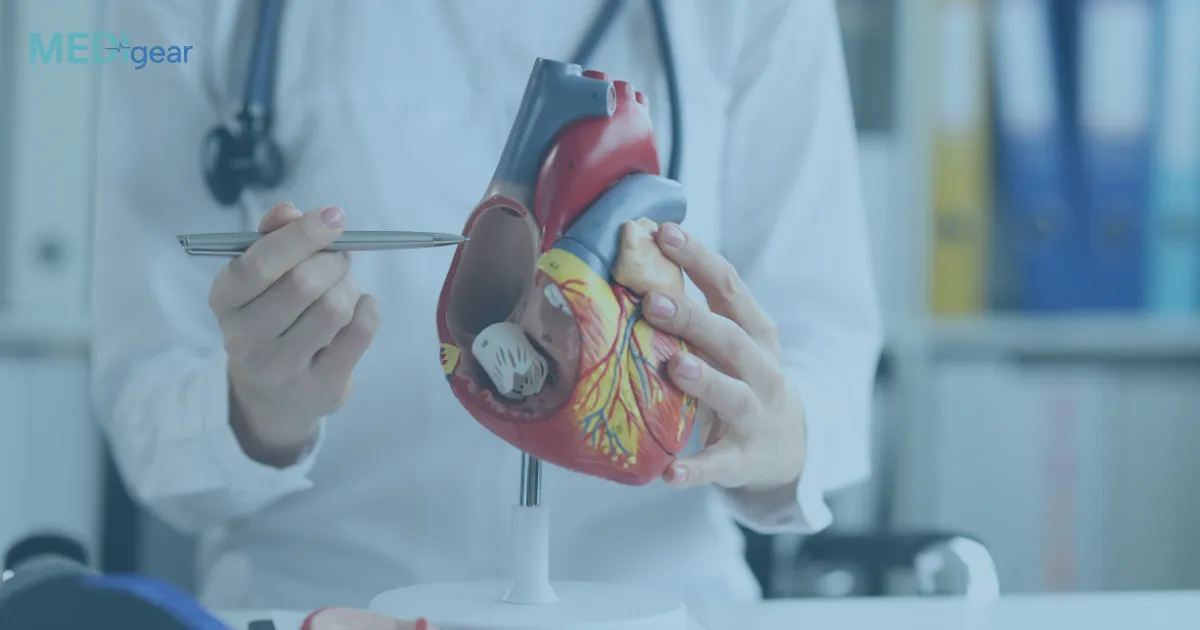
The heart has four valves — aortic, mitral, tricuspid, and pulmonary — that regulate blood flow through the heart chambers. Valve problems typically fall into two main categories:
- Valve stenosis: Narrowing of the valve opening, restricting blood flow
- Valve regurgitation: Leakage of blood backward due to incomplete valve closure
Common causes include aging-related calcification, congenital defects, rheumatic heart disease, infections, and degenerative conditions.
2. Medical History and Symptom Assessment
Diagnosis begins with a detailed medical history and symptom review. Cardiologists look for warning signs such as:
- Shortness of breath during activity or rest
- Chest pain or pressure
- Fatigue and reduced exercise tolerance
- Palpitations or irregular heartbeat
- Swelling in the legs, ankles, or abdomen
- Dizziness or fainting episodes
A family history of heart disease or previous infections like rheumatic fever is also considered.
3. Physical Examination and Heart Sounds
Using a stethoscope, cardiologists listen for abnormal heart sounds, including:
- Heart murmurs caused by turbulent blood flow
- Clicking or snapping sounds suggesting valve abnormalities
- Changes in rhythm or intensity of heartbeats
Although murmurs can be harmless, certain patterns may indicate significant valve disease requiring further evaluation.
4. Echocardiography – The Gold Standard
Echocardiography (ultrasound of the heart) is the primary tool for diagnosing heart valve problems.
Types of echocardiography include:
- Transthoracic echocardiogram (TTE): Non-invasive and most commonly used
- Transesophageal echocardiogram (TEE): Provides detailed images by placing the probe in the esophagus
Echocardiography allows cardiologists to assess:
- Valve structure and movement
- Degree of narrowing or leakage
- Blood flow direction and velocity
- Heart chamber size and function
5. Doppler Imaging and Color Flow Mapping
Doppler echocardiography measures blood flow speed and direction across heart valves.
Color flow imaging highlights abnormal flow patterns, helping to identify:
- Severity of valve regurgitation
- Pressure gradients across narrowed valves
- Impact on overall cardiac function
This information is critical for determining disease severity and treatment timing.
6. Electrocardiogram (ECG)
An ECG records the heart’s electrical activity and helps detect complications related to valve disease, such as:
- Atrial fibrillation
- Heart chamber enlargement
- Electrical conduction abnormalities
While ECGs do not visualize valves, they provide valuable supportive information.
7. Chest X-Ray
A chest X-ray may reveal indirect signs of valve disease, including:
- Enlarged heart chambers
- Pulmonary congestion or fluid buildup
- Calcification of heart valves
This test helps assess the impact of valve dysfunction on the lungs and heart size.
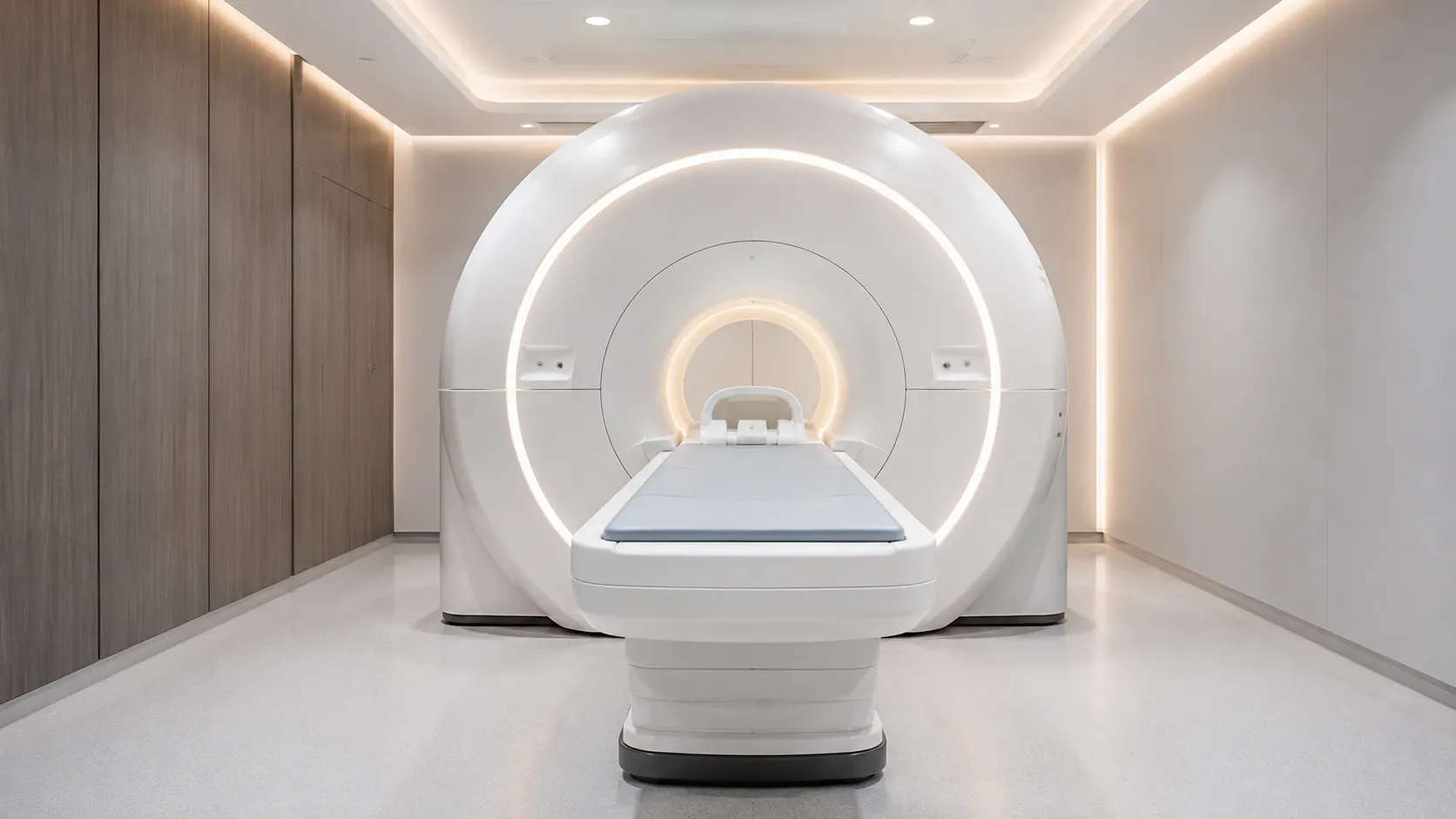
8. Cardiac MRI and CT Scans
Advanced imaging is used when echocardiography results are inconclusive.
These modalities help:
- Visualize valve anatomy in high detail
- Measure heart chamber volumes and function
- Detect valve calcification or structural damage
- Plan surgical or transcatheter interventions
CT scans are particularly useful for evaluating aortic valve disease.
9. Cardiac Catheterization
In selected cases, cardiac catheterization is performed to directly measure pressures inside heart chambers and across valves.
This invasive test is typically used when non-invasive tests provide conflicting results or before valve replacement procedures.
10. Ongoing Monitoring and Risk Assessment
Mild valve disease may not require immediate intervention. Cardiologists often recommend:
- Regular follow-up imaging
- Lifestyle modifications
- Blood pressure and cholesterol control
- Preventive medications
Progressive or severe valve disease may require surgical repair or valve replacement, including minimally invasive or transcatheter approaches.
Final Thoughts
Cardiologists use a comprehensive, step-by-step diagnostic approach to detect heart valve problems — combining clinical evaluation, advanced imaging, and functional testing.
Early identification allows for close monitoring, timely treatment, and prevention of serious complications such as heart failure or stroke.
With modern diagnostic tools, most valve disorders can be detected accurately and managed effectively, significantly improving patient quality of life.
Disclaimer:
This article is for informational purposes only and does not replace professional medical advice. Individuals with symptoms or known heart conditions should consult a qualified cardiologist for diagnosis and treatment.