What Is Hypertension?
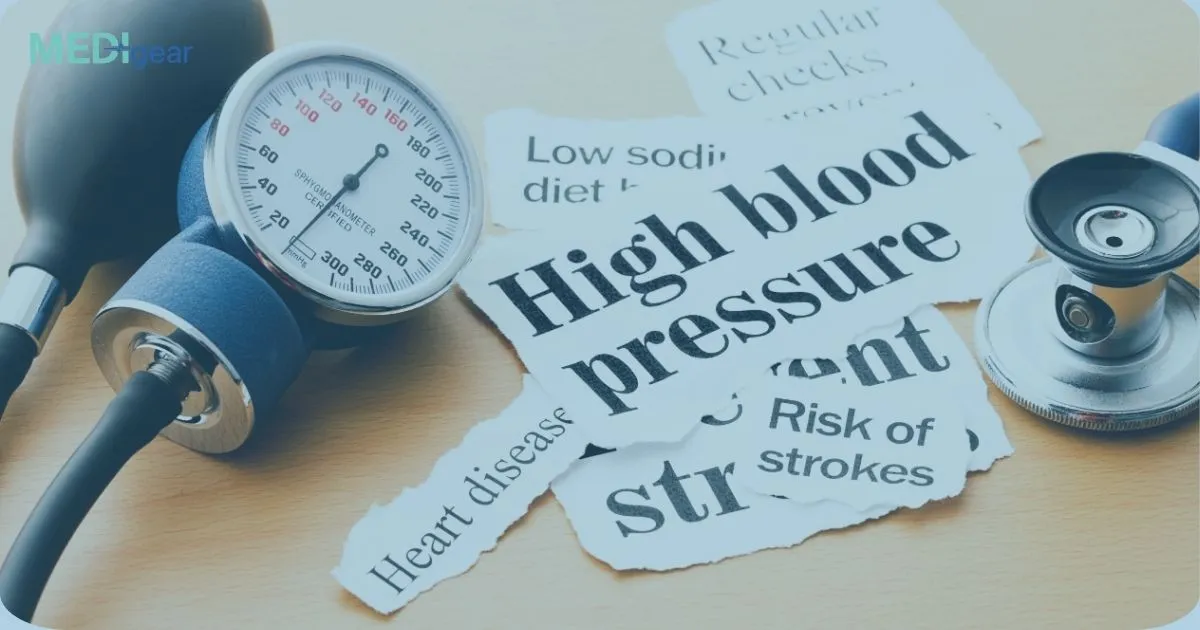
Hypertension means the force of blood pushing against the artery walls is consistently too high. Over time, this excess pressure weakens blood vessels and strains vital organs such as the heart, brain, kidneys, and eyes.
Doctors usually diagnose hypertension when blood pressure stays at or above 140/90 mmHg on repeated readings. However, even slightly elevated levels can increase long-term risk.
Why Is It Called a “Silent Killer”?
Hypertension earns this name for two main reasons:
1. No noticeable symptoms
Most people with high blood pressure feel completely normal. There is no pain, dizziness, or discomfort in most cases. As a result, people may live with uncontrolled hypertension for years without realising the danger.
2. It causes hidden damage
Even without symptoms, high blood pressure silently damages:
-
Arteries, making them stiff and narrow
-
The heart, leading to thickening and eventual failure
-
The brain, increasing the risk of stroke
-
The kidneys, reducing their ability to filter waste
-
The eyes, damaging blood vessels in the retina
This ongoing injury increases the chances of sudden medical emergencies.
How Hypertension Damages the Body
-
Damage to Arteries-Constant pressure injures artery walls, causing them to harden. This makes it harder for blood to flow, raising the risk of heart attack.
-
Damage to the Heart-The heart has to pump harder to move blood, leading to enlargement and eventually heart failure.
-
Damage to the Brain-Hypertension can cause blockage or bursting of blood vessels in the brain, resulting in stroke.
-
Damage to the Kidneys-High blood pressure damages kidney filters, leading to chronic kidney disease.
-
Damage to the Eyes-Tiny blood vessels in the eyes can burst or leak, causing vision problems.
Symptoms That May Appear in Severe or Late Stages
Although hypertension is usually silent, very high levels may cause:
-
Severe headache
-
Blurred vision
-
Chest discomfort
-
Shortness of breath
-
Nosebleeds
-
Confusion
These signs require urgent medical attention.
Who Is at Higher Risk?
You are more likely to develop hypertension if:
-
You have a family history
-
You eat high-salt foods
-
You have a sedentary lifestyle
-
You are overweight
-
You experience long-term stress
-
You have diabetes, kidney disease, or high cholesterol
Age also increases risk, but hypertension is rising among younger adults as well.
How to Prevent and Manage Hypertension
-
Regular monitoring-Check your blood pressure at least once a year, or more often if advised.
-
Healthy eating-
-
Reduce salt intake
-
Eat fruits, vegetables, whole grains, and lean protein
-
Limit processed and fried foods
-
Stay active-Aim for at least 30 minutes of daily physical activity like brisk walking or cycling.
-
Stress management-Practice relaxation techniques such as meditation or deep breathing.
-
Maintain a healthy weight-Even a small weight loss can significantly lower blood pressure.
-
Limit alcohol and avoid tobacco-Both directly raise blood pressure and damage blood vessels.
-
Take medicines if prescribed-If your doctor prescribes medicines, take them regularly and do not skip doses.
Why Early Detection Matters
Early diagnosis allows you to control hypertension before it causes irreversible harm. Regular monitoring, a healthy lifestyle, and timely treatment can significantly reduce the risk of stroke, heart attack, kidney failure, and other complications.
Hypertension may be silent, but managing it early can save lives.