
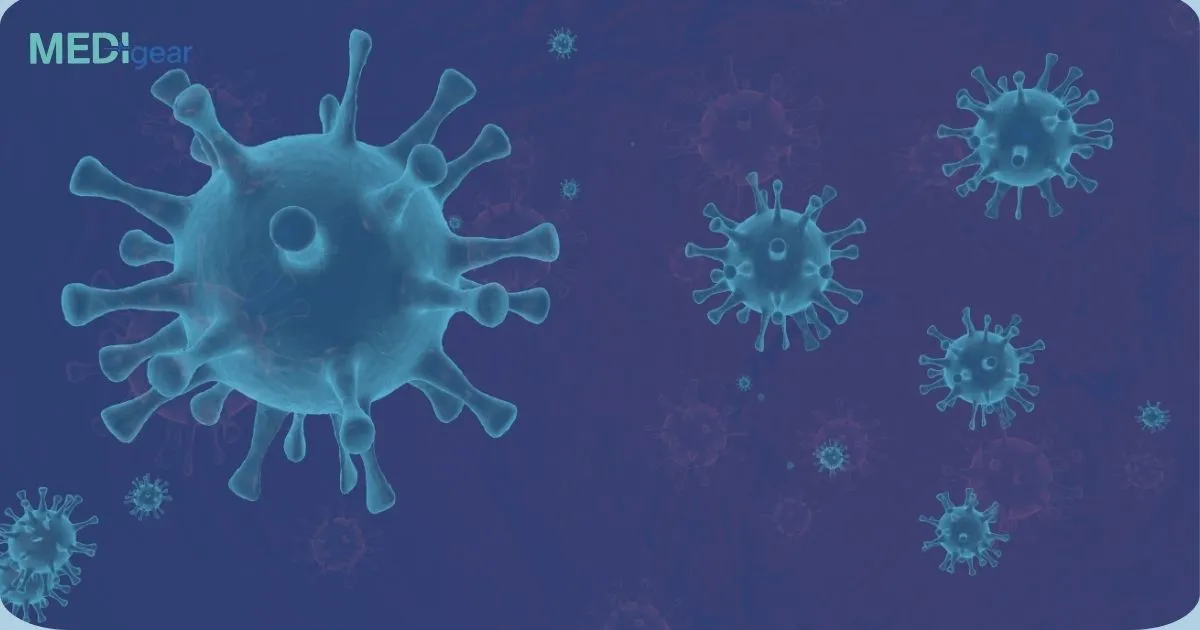
What Are Infectious Diseases?
Infectious diseases are illnesses caused by harmful microorganisms. They spread through:
-
Touching infected surfaces
-
Contaminated food or water
-
Airborne droplets
-
Insect bites
-
Contact with infected people or animals
Because germs spread quickly, preventive actions play a major role in stopping outbreaks.
Key Ways to Prevent Infectious Diseases
1. Handwashing
Handwashing is one of the simplest and most powerful ways to prevent infection. Washing hands with soap and clean water removes germs picked up from surfaces, people and objects.
Wash hands:
-
Before eating
-
After using the toilet
-
After coughing or sneezing
-
After touching animals
-
After coming home from outside
2. Vaccination
Vaccines prepare the immune system to fight harmful germs before they cause illness. Many serious diseases such as measles, tetanus, hepatitis and influenza can be prevented with timely vaccination. Staying up to date with recommended vaccines protects both you and those around you.
3. Safe Food and Water Practices
Foodborne and waterborne infections are common but avoidable.
To stay safe:
-
Wash fruits and vegetables
-
Cook meat thoroughly
-
Drink clean, filtered or boiled water
-
Keep kitchen surfaces clean
-
Store food at proper temperatures
4. Good Respiratory Hygiene
Diseases that affect the respiratory system can spread through droplets released during coughing, sneezing or talking.
To reduce risk:
-
Cover your mouth and nose with a tissue or elbow
-
Dispose of used tissues properly
-
Avoid close contact with sick individuals
-
Keep rooms well-ventilated
5. Avoiding Close Contact When Sick
Staying home when unwell prevents germs from spreading to others. This includes avoiding school, work or crowded places when symptoms such as fever, cough or stomach upset appear.
6. Clean and Disinfect Frequently Touched Surfaces
Regular cleaning reduces the number of germs on doorknobs, light switches, phones, keyboards and kitchen counters.
7. Safe Personal Habits
-
Avoid sharing personal items like towels, razors or water bottles
-
Use protection during intimate contact to prevent sexually transmitted infections
-
Maintain personal hygiene such as regular bathing and clean clothing
8. Protecting Against Insects
Many diseases spread through insects like mosquitoes and ticks.
Prevention includes:
-
Using nets while sleeping
-
Wearing long-sleeved clothing in high-risk areas
-
Removing standing water where mosquitoes breed
9. Strengthening the Immune System
A strong immune system helps the body fight infections naturally.
Support it with:
-
Balanced nutrition
-
Adequate sleep
-
Regular physical activity
-
Stress management
Why Prevention Matters
Preventing infectious diseases helps:
-
Limit outbreaks
-
Reduce healthcare costs
-
Protect vulnerable individuals
-
Improve overall public health
-
Reduce antibiotic misuse
Small daily habits can have a big impact on long-term health.
Final Thoughts
Most infectious diseases can be prevented through simple, consistent actions. Handwashing, vaccination, safe food and water practices, clean environments and strong immunity offer powerful protection. By following these preventive steps, individuals and communities can stay healthier and reduce the spread of infection effectively.