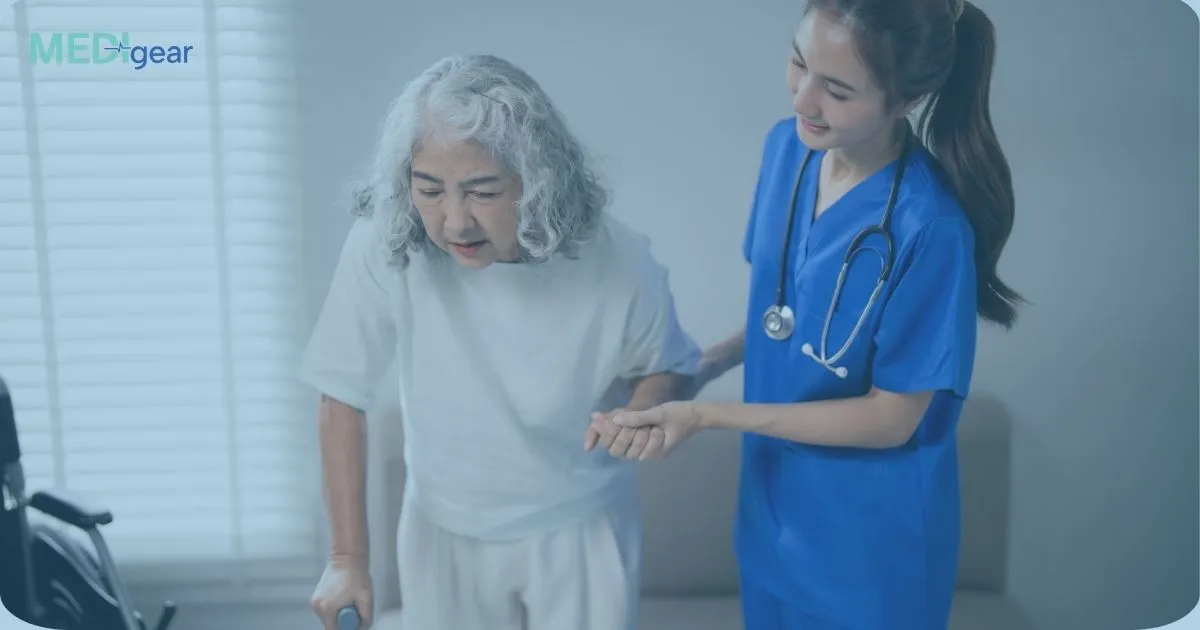
Rehabilitation is a process that helps people regain skills, strength, and independence after illness, injury, surgery, or addiction. It focuses on restoring physical, mental, and social functioning.
Rehabilitation aims to help individuals return to daily life activities as independently as possible.
What Does Rehabilitation Mean
Rehabilitation involves structured programs designed to improve function and quality of life. It may include medical treatment, therapy, counseling, and training.
Types of Rehabilitation
-
Physical rehabilitation
-
Occupational rehabilitation
-
Speech and language therapy
-
Cardiac rehabilitation
-
Neurological rehabilitation
-
Addiction rehabilitation
Goals of Rehabilitation
-
Restore movement and strength
-
Improve communication skills
-
Enhance daily living skills
-
Support emotional recovery
-
Promote independence
Who Needs Rehabilitation
People recovering from stroke, fractures, surgery, heart disease, neurological disorders, or substance dependence often require rehabilitation programs.
Benefits of Rehabilitation
-
Improves functional ability
-
Reduces complications
-
Increases confidence
-
Supports long term recovery
-
Enhances quality of life
Conclusion
Rehabilitation is an essential part of healthcare. It supports recovery and helps individuals regain control of their lives after major health challenges.