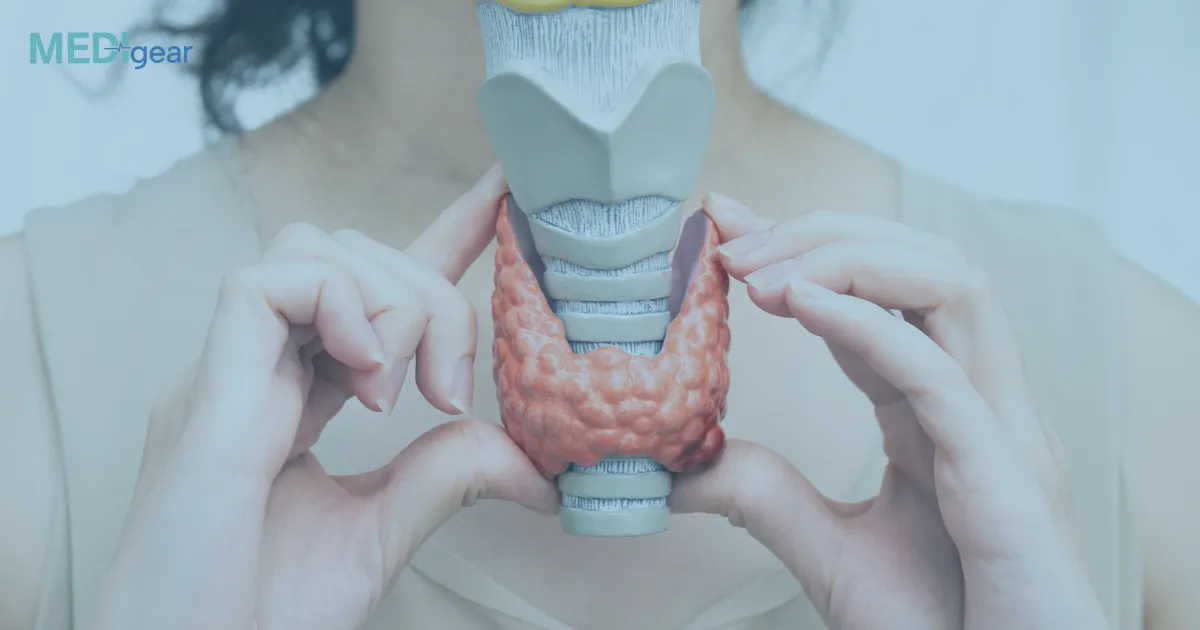
The thyroid is a small butterfly-shaped gland located in the front of the neck, yet it plays a huge role in regulating the body’s metabolism. When this gland produces too much or too little hormone, multiple body systems are affected. These conditions are known as thyroid disorders.
Thyroid problems are very common and often go undiagnosed because their symptoms may resemble stress, fatigue, or aging.
What Is the Thyroid Gland?
The thyroid gland produces hormones that control how the body uses energy. It releases:
- T3 (Triiodothyronine)
- T4 (Thyroxine)
These hormones regulate:
- Heart rate
- Body temperature
- Weight
- Digestion
- Brain function
- Menstrual cycles
The brain (pituitary gland) controls the thyroid through TSH (Thyroid Stimulating Hormone).
What Is a Thyroid Disorder?
A thyroid disorder occurs when the thyroid gland becomes overactive, underactive, inflamed, or enlarged, leading to hormone imbalance.
The imbalance affects metabolism — either slowing it down or speeding it up.
Main Types of Thyroid Disorders
1. Hypothyroidism (Underactive Thyroid)
The gland produces too little hormone.
Common causes
- Autoimmune disease (Hashimoto’s thyroiditis)
- Iodine deficiency
- Post-surgery
- Certain medications
Symptoms
- Fatigue
- Weight gain
- Cold intolerance
- Dry skin
- Hair loss
- Constipation
- Depression
- Slow heart rate
2. Hyperthyroidism (Overactive Thyroid)
The gland produces excess hormone.
Common causes
- Graves’ disease
- Thyroid nodules
- Thyroiditis
Symptoms
- Weight loss despite normal appetite
- Fast heartbeat
- Anxiety
- Sweating
- Tremors
- Heat intolerance
- Insomnia
- Frequent bowel movements
3. Goiter
An enlarged thyroid gland visible as swelling in the neck.
It may occur with normal, low, or high hormone levels.
4. Thyroid Nodules
Lumps in the thyroid gland:
- Often harmless
- Occasionally cancerous
- May alter hormone production
5. Thyroiditis
Inflammation of the thyroid due to infection, autoimmune disease, or after pregnancy.
Who Is at Higher Risk?
- Women (especially age 20–50)
- Family history of thyroid disease
- Pregnancy or post-partum period
- Iodine deficiency
- Autoimmune conditions
- Elderly individuals
Possible Complications
If untreated, thyroid disorders may lead to:
- Heart rhythm problems
- Infertility
- High cholesterol
- Osteoporosis
- Severe fatigue
- Pregnancy complications
- Thyroid storm (life-threatening hyperthyroidism)
- Myxedema coma (severe hypothyroidism)
Diagnosis
Doctors evaluate thyroid disorders using:
- TSH blood test
- T3 and T4 levels
- Thyroid antibodies
- Ultrasound neck
- Radioiodine uptake scan (if required)
Treatment
Treatment depends on the type:
Hypothyroidism
- Daily thyroid hormone replacement medication
Hyperthyroidism
- Anti-thyroid medicines
- Radioactive iodine therapy
- Surgery (selected cases)
Nodules/Goiter
- Monitoring
- Medication
- Surgery if needed
Most patients can live a normal life with proper treatment.
When to See a Doctor
Consult a doctor if you notice:
- Unexplained weight change
- Persistent fatigue
- Hair thinning
- Neck swelling
- Irregular heartbeat
- Mood changes
Prevention Tips
- Adequate iodine intake
- Regular health checkups
- Thyroid screening in high-risk individuals
- Medication adherence
Conclusion
Thyroid disorders are common but manageable conditions caused by hormone imbalance. Because symptoms are often subtle, many people remain undiagnosed for years. Early testing and proper treatment can prevent serious complications and restore normal metabolism.
Awareness and routine screening are key to maintaining thyroid health.
Disclaimer
This article is for general educational and awareness purposes only and should not be considered medical advice, diagnosis, or treatment. Thyroid disorders may present differently in each person and require proper clinical evaluation and laboratory testing. Anyone experiencing symptoms such as persistent fatigue, weight changes, neck swelling, or irregular heartbeat should consult a qualified healthcare professional. MediGear does not provide medical diagnosis or prescribe treatment.